
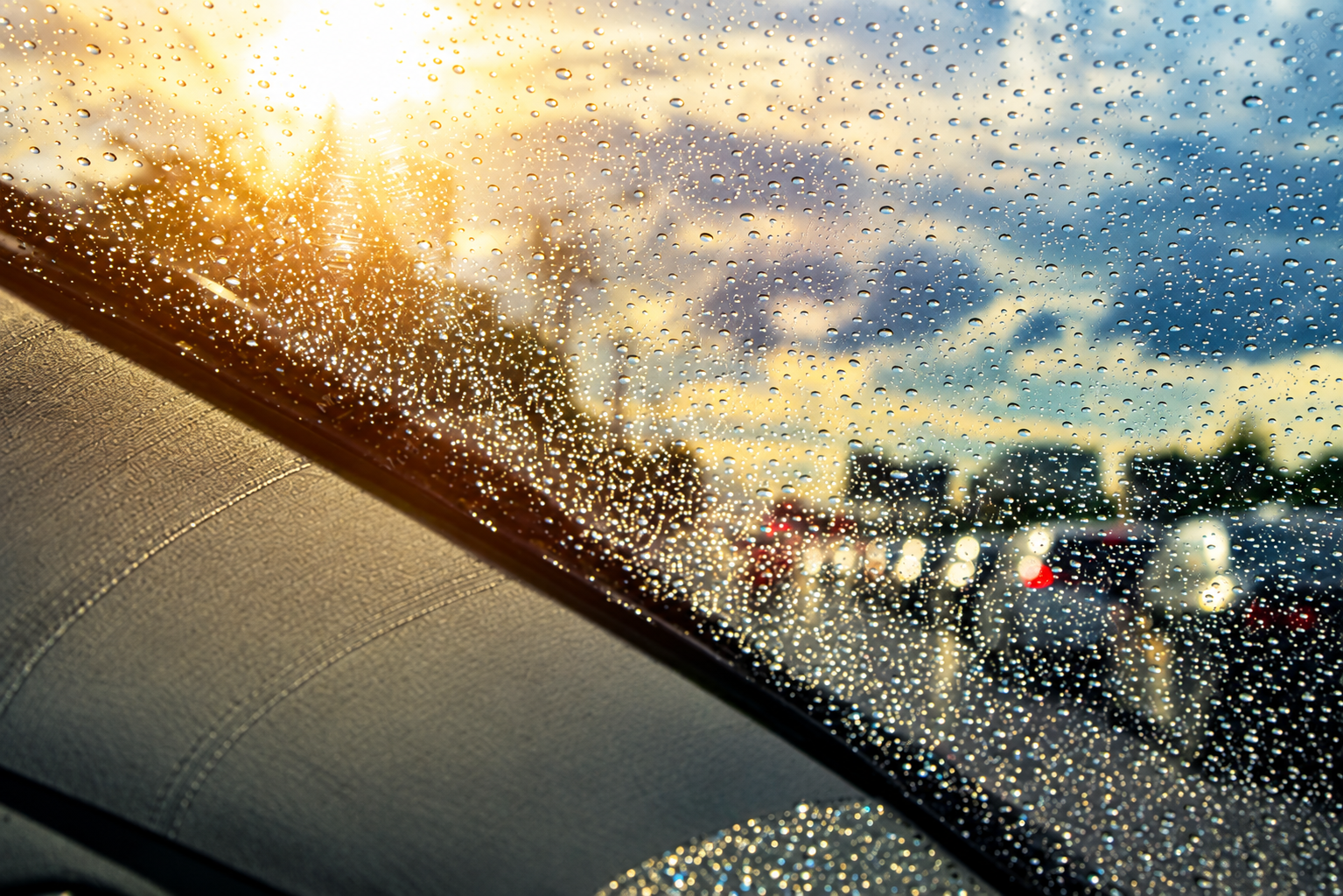
Hard water spots car Bangalore complaints show up on nearly every car owners’ forum and WhatsApp group in the city, usually with the same photo attached a windshield or bonnet covered in pale, chalky white marks that won’t budge no matter how many times the car gets washed. If this sounds familiar, you’re not dealing with a one-off cleaning problem. You’re dealing with a water quality issue that’s specific to how most of Bangalore actually sources its water, and understanding that difference is the first step to actually fixing it, rather than just masking it for a week.
This guide breaks down exactly why Bangalore cars develop these spots more than cars in many other cities, what’s actually happening to the paint at a chemical level, and which removal methods genuinely work versus which ones just move the problem around. If you own a business fleet or a personal vehicle you care about keeping in good condition, this is worth reading before your next wash, not after the spots have already set in.
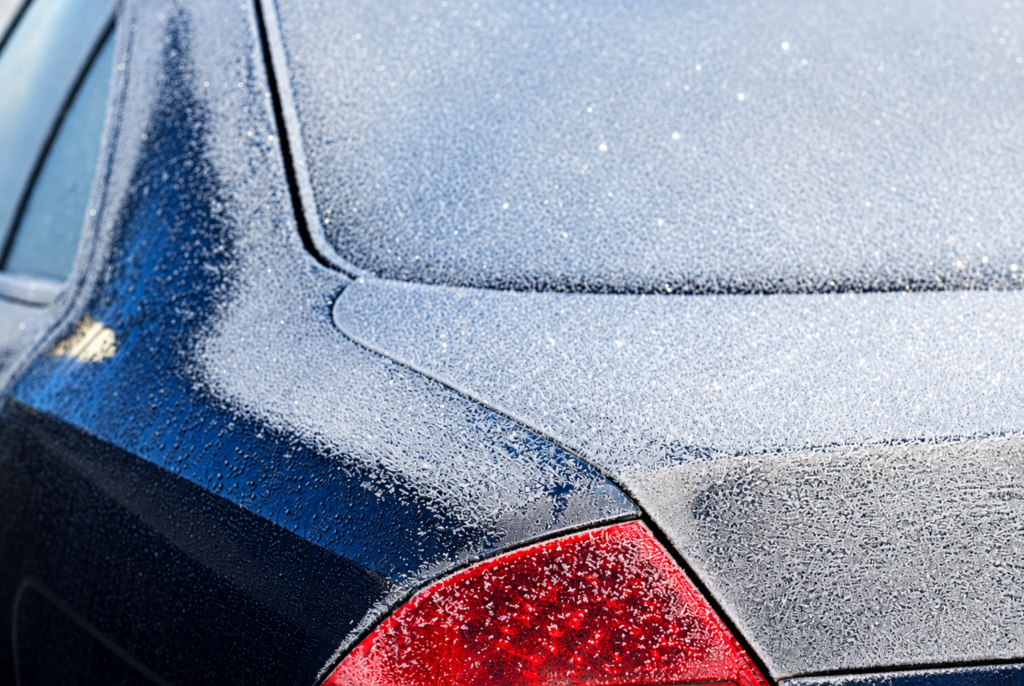
Why Bangalore's Water Causes This Problem More Than Most Cities
Hard water stains on car surfaces come down to one core fact: the water isn’t pure H₂O. It carries dissolved minerals — primarily calcium and magnesium — and the concentration of these minerals is what determines how hard the water is, and consequently how much staining risk it carries.
A large share of Bangalore relies on borewells and groundwater, particularly in newer residential layouts and apartment complexes not yet fully connected to Cauvery water supply lines. Groundwater in this region tends to carry meaningfully higher mineral content than treated municipal supply, which is exactly why car owners using borewell water for washing report far more persistent spotting than those using Cauvery-sourced water.
The mechanism itself is straightforward chemistry. When mineral-rich water lands on a car’s surface and is left to air-dry rather than being wiped down immediately, the water evaporates, but the dissolved minerals don’t. They’re left behind as a solid residue, bonded lightly to the paint or glass surface. A rough guideline used by detailing professionals: water with total dissolved solids (TDS) above roughly 50 PPM can leave visible, semi-permanent spotting if allowed to self-dry, and much of Bangalore’s groundwater tests well above that threshold.
Heat accelerates the problem considerably. Bangalore’s sun causes water droplets to evaporate faster, which means minerals concentrate and bond to the surface more quickly than they would in cooler, slower-drying conditions one reason spotting tends to look worse after a car sits in direct sun right after a wash.
Hard Water Stains on Car Surfaces: What's Actually Happening Underneath
This is the part most car owners miss, and it matters a lot for choosing the right removal approach.
Fresh, surface-level mineral deposits sit on top of the clear coat and haven’t yet bonded chemically to the paint. These are relatively easy to remove and rarely cause lasting damage if addressed promptly.
Older, repeatedly formed spots are a different problem entirely. Left untreated through multiple wash-and-dry cycles, mineral deposits can begin subtly etching into the clear coat itself — essentially a very mild, localized chemical erosion caused by prolonged mineral contact. At this stage, the spots aren’t just sitting on the surface anymore; they’ve left a faint texture or dullness in the clear coat that ordinary washing or wiping won’t fix, because the damage is no longer just residue it’s the paint surface itself that’s been altered.
This distinction matters because it explains why some water spots seem to “come right back” no matter how many times a car is washed. If the underlying paint has already been mildly etched, cleaning removes the fresh deposit but doesn’t address the microscopic surface damage causing light to scatter unevenly which is what makes a spot visually persistent even after cleaning.
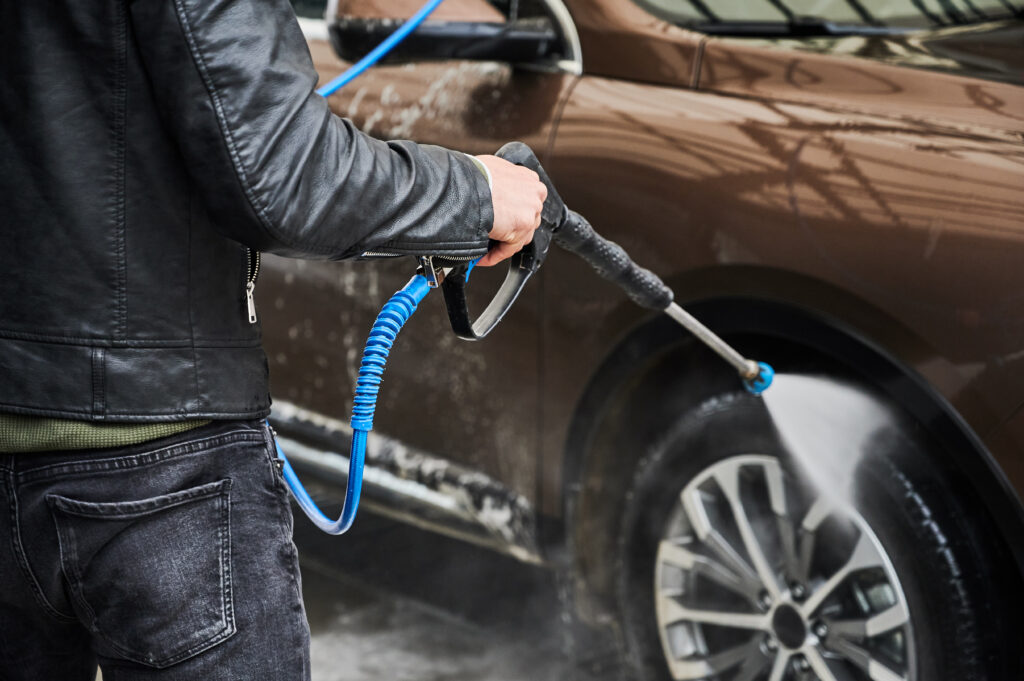
Car Water Spot Removal Bangalore: What Actually Works
Removal approaches fall into a few clear tiers, from simple home fixes to professional correction and it’s worth knowing which tier your situation actually needs before reaching for a random product.
For Fresh, Light Spots (DIY-Appropriate)
- Distilled or RO water rinse, followed by immediate drying. For very fresh spots, simply re-wetting the area with mineral-free water and wiping dry immediately can dissolve and lift light deposits before they’ve had time to bond further.
- Mild acidic solutions diluted white vinegar or citric acid solutions are commonly used by detailers for this exact purpose, since mild acids dissolve mineral deposits effectively without being harsh enough to damage clear coat when used correctly and rinsed promptly.
- A clay bar treatment can lift bonded surface contaminants, including many hard water deposits, without requiring any abrasive polishing a good middle step before assuming a spot needs full paint correction.
For Established or Recurring Spots (Where DIY Often Falls Short)
- Dedicated mineral deposit removers, used by professional detailers, are formulated specifically to dissolve calcium and magnesium buildup without the guesswork or paint-safety risk of household acids used incorrectly.
- Paint correction (fine cut polishing) becomes necessary once spots have genuinely etched into the clear coat, since no amount of surface cleaning removes damage that’s already altered the paint itself. This step should always follow, never replace, mineral removal polishing directly over undissolved mineral deposits can actually drive them deeper into the clear coat rather than removing them.
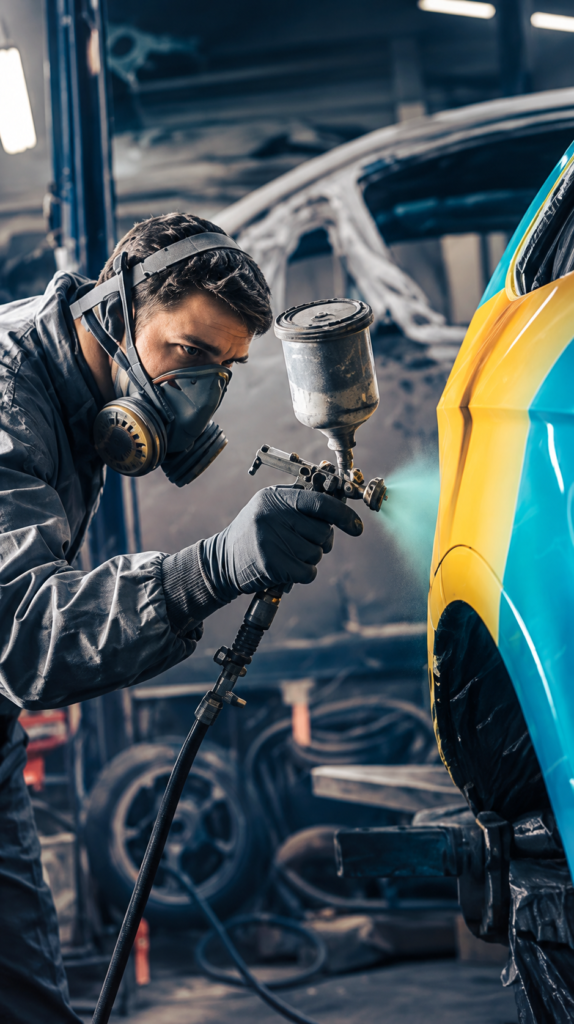
The Genuine Long-Term Fix: Prevention Through Protective Coatings
Removal treats the symptom. If Bangalore’s hard water is a recurring reality for your parking situation, the more effective long-term approach is reducing how much mineral-rich water actually bonds to your paint in the first place.
A well-applied ceramic coating creates a hydrophobic barrier that causes water to bead and roll off rather than spreading and sitting on the surface directly reducing the surface area and dwell time available for minerals to bond and dry into spots. This doesn’t eliminate the need for prompt drying after a wash, but it meaningfully reduces how aggressively hard water affects the paint underneath.
For owners who also want added resistance to Bangalore’s intense UV exposure alongside hard water protection, a graphene coating offers similar hydrophobic benefits with additional thermal and scratch resistance a reasonable option if you’re protecting against multiple environmental stressors at once, not just water quality.
For vehicles with more direct daily exposure risk parked under trees, near sprinklers, or regularly washed with untreated borewell water a PPF coating in Bangalore adds a physical barrier layer that, combined with a topcoat treatment, gives the most comprehensive protection against both mineral staining and physical surface damage over time.
What About Glass and Chrome Surfaces?
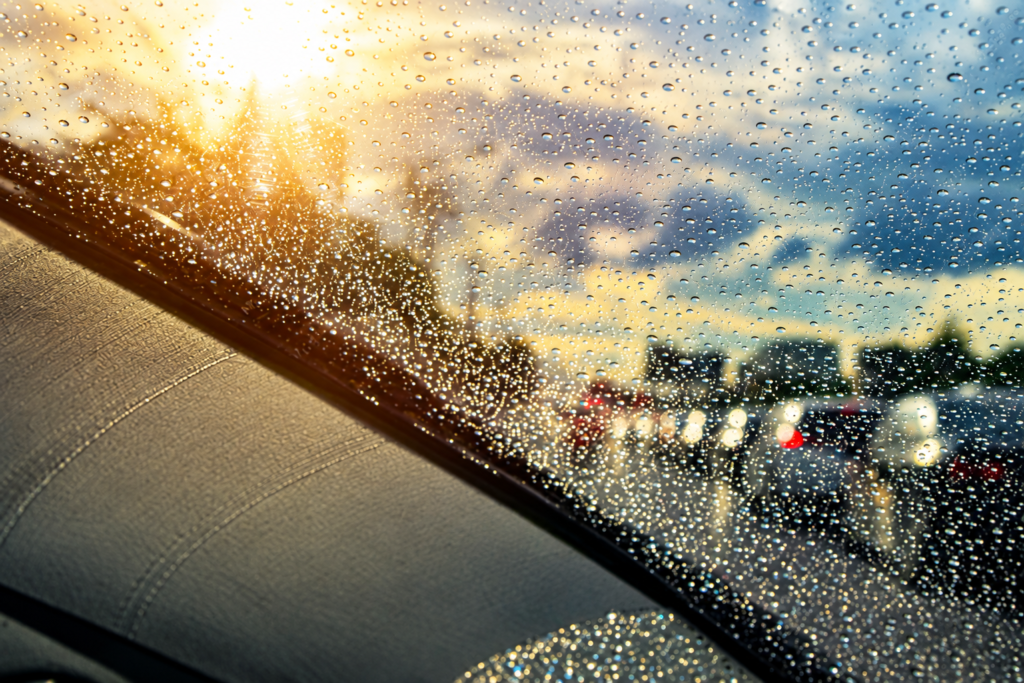
Hard water spotting isn’t limited to paint — windshields, windows, and chrome trim are often hit even harder, since glass has no clear coat buffer to slow mineral bonding, and visible spotting on a windshield creates a genuine visibility and safety issue, not just a cosmetic one.
For glass specifically, dedicated glass-safe mineral removers or diluted acidic solutions (following the same caution as paint) tend to work well, since glass is generally more chemically resistant to mild acids than clear-coated paint. Chrome trim can usually handle slightly stronger commercial hard water removers designed for plumbing fixtures, though it’s worth testing on a small area first, since chrome finishes vary in coating quality across different vehicles.
Prevention Habits That Genuinely Reduce Spotting
Beyond protective coatings, a few consistent habits make a measurable difference:
- Never let a car air-dry after washing. This single habit prevents more spotting than almost any product. Hand-drying with a clean microfiber towel immediately after rinsing removes the water before minerals have a chance to concentrate and bond.
- Use filtered or RO water for the final rinse when possible, even if the wash itself uses regular tap or borewell water the final rinse is what actually dries on the surface, so this step matters more than people assume.
- Avoid washing a car in direct, harsh sunlight. Faster evaporation means less time to dry the surface manually before spots begin forming.
- Ask your regular car wash provider what water source they use. This is worth asking directly many local wash services use whatever water is available on-site, which may be exactly the untreated borewell water causing your recurring spots in the first place.
How to Choose a Water Spot Removal Service in Bangalore
If home methods aren’t resolving persistent spotting, a professional provider should be able to speak clearly to a few things:
- Whether the spots are surface-level or already etched into the clear coat a proper assessment should come before any treatment recommendation, not after.
- What specific products they use for mineral removal, and whether paint correction is included if etching has occurred.
- What preventive protection they recommend afterward, since removal without some form of protective follow-up often means the same spots return within weeks if your water source hasn’t changed.
- Whether they offer PPF, ceramic, or graphene coating as a combined solution, since addressing removal and prevention together is considerably more cost-effective than treating recurring spots repeatedly over time.
Final Thoughts
Hard water spots on a car in Bangalore aren’t just bad luck or poor washing technique; they’re a direct, explainable result of the city’s water sourcing reality, particularly for anyone relying on borewell supply. The good news is that this is a genuinely solvable problem, whether through better daily habits, the right removal approach for your specific spotting stage, or a protective coating that reduces how much mineral-rich water actually bonds to your paint going forward.
If your car’s spotting has become a recurring frustration despite regular washing, it’s worth getting a proper assessment before trying another round of home remedies. Fortify’s team can evaluate whether you’re dealing with surface deposits or early clear coat etching, and walk you through the right combination of removal and long-term protection PPF, ceramic, or graphene coating for your specific situation.