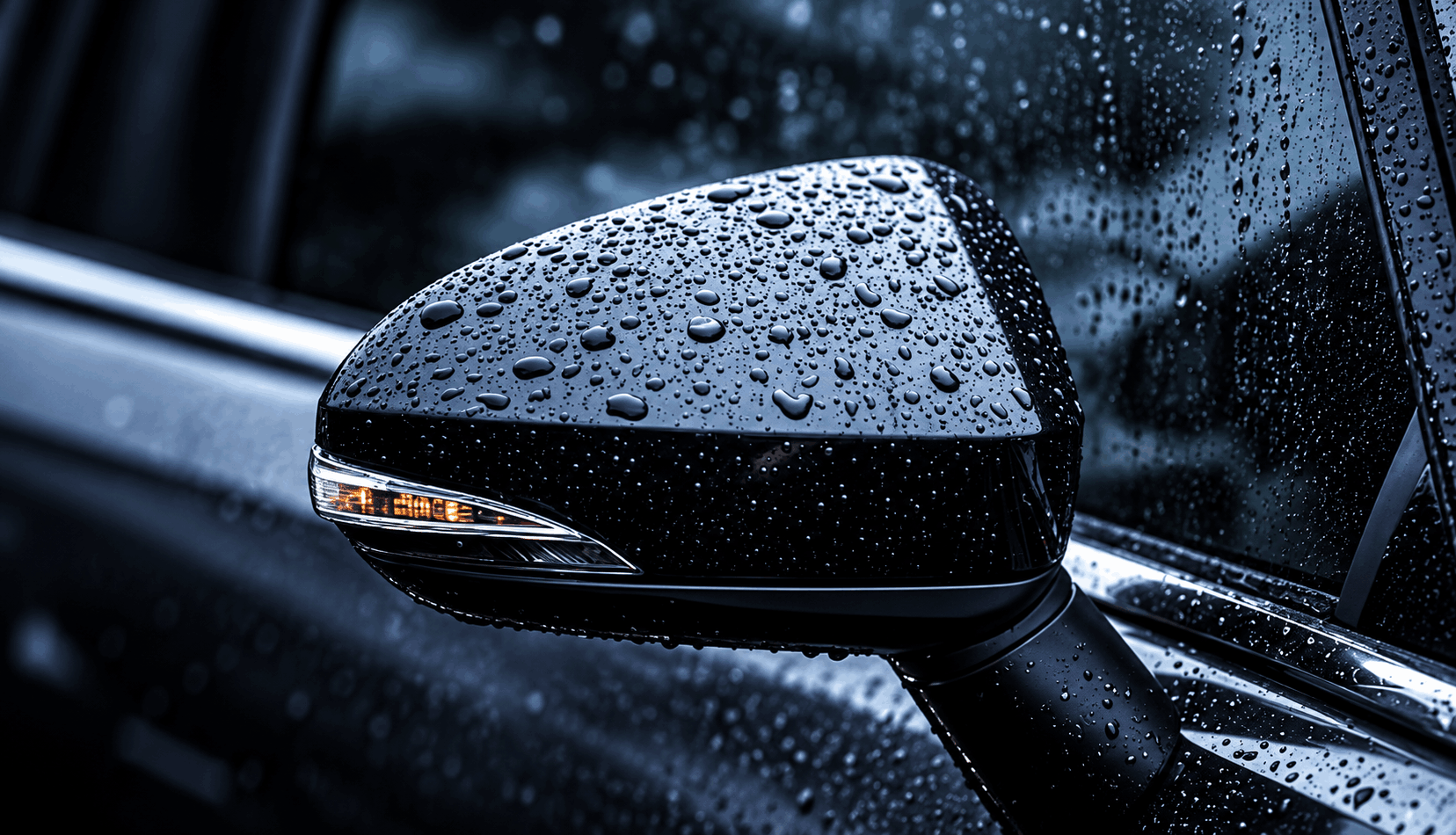
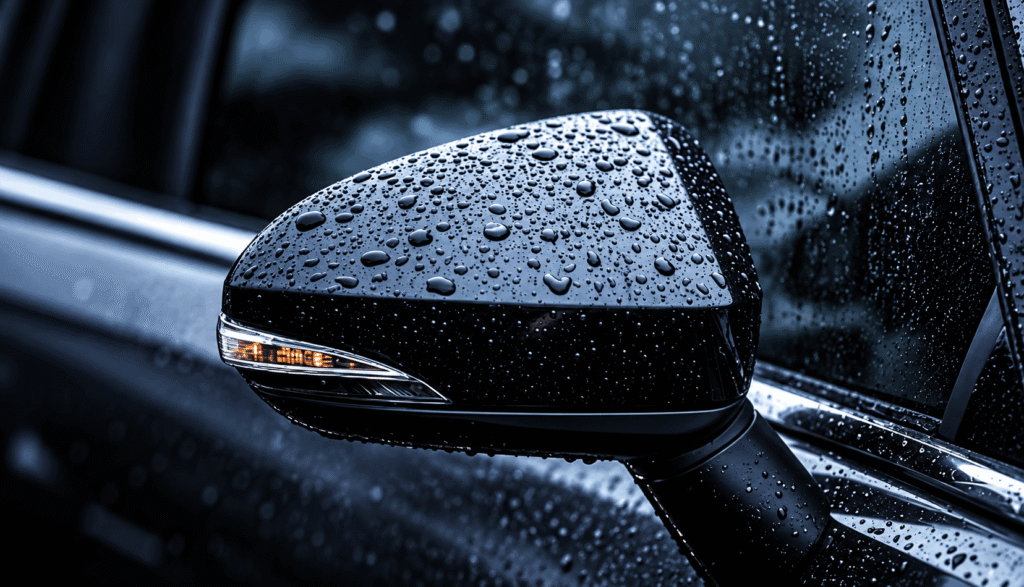
Monsoon car care Bangalore searches spike every year around the same time — right after the first heavy downpour leaves a fresh coat of grime, water spots, or a musty smell in someone’s car that wasn’t there a week earlier. By then, some of the damage has usually already started. Bangalore’s monsoon isn’t dramatic in the way Mumbai’s is, but it’s long, humid, and relentless in a quieter way, and that slow, sustained exposure is exactly what does the most damage to a car’s paint, films, and interior over a season.
This guide by Fortify Car Care breaks down what actually happens to a car during Bangalore’s monsoon, what genuinely protects it, and what’s just marketing noise, so whether you’re a business owner managing a small fleet or someone protecting a personal vehicle you rely on daily, you know exactly where to focus your time and budget this season.
Why Bangalore's Monsoon Is Genuinely Hard on Cars
Bangalore doesn’t flood the way some cities do, but its monsoon creates a specific combination of problems that’s arguably harder on a car’s finish than a shorter, more intense rainy season elsewhere.
Rainwater in Indian cities is rarely just water. It carries dissolved pollutants, road grime, and acidic contaminants picked up from the atmosphere and road surface. Left sitting on a car’s paint for hours — which happens constantly during Bangalore’s long, overcast monsoon days, this can gradually dull the clear coat, cause water spotting, and accelerate oxidation on exposed metal parts.
Bangalore’s mix of tree-lined roads and open construction zones adds sap, dust, and grit into the mix. Rain doesn’t just wash a car, it turns accumulated dust and tree residue into a mild abrasive paste that sits against the paint every time it drizzles without a proper wash in between.
High humidity, not just direct rain exposure, is the interior’s biggest enemy. Even a car parked in a covered space accumulates moisture from wet shoes, damp umbrellas, and general humidity, creating exactly the conditions mold and mildew need to take hold inside upholstery and carpeting.
Underbody and metal components corrode faster during extended damp periods. Unlike a short, sharp downpour, Bangalore’s monsoon keeps roads and undercarriages wet for days at a stretch, giving rust considerably more time to start.
Car Protection During Rainy Season: The Essentials Checklist
Before getting into paint-specific protection, a few basics make a measurable difference through the season:
- Get a pre-monsoon inspection done. Check tyres, brakes, wipers, and all lights before the season sets in — wet-road braking performance and visibility both depend heavily on components that are easy to overlook until they fail at the worst moment.
- Wash your car more frequently, not less. It’s counterintuitive, but a car exposed to rain needs more frequent washing, not less — letting contaminated water and grime sit on the paint for days between washes is worse than the rain itself.
- Skip the car cover during active monsoon. A wet car cover trapped against damp paint can actually do more harm than good, sometimes causing the cover to stick to the clear coat and cause damage on removal. Exterior protection built into the paint itself is a more reliable approach than fabric covers during this season.
- Keep the interior dry between drives. Wet shoes and umbrellas are the biggest daily contributors to interior moisture — a simple absorbent mat by the door or floor liners makes a real difference over a full season.
- Address the underbody, not just visible surfaces. Underbody rust-proofing or a periodic underbody wash matters more during monsoon than any other season, since this is the area most consistently exposed to standing water and road salt runoff.
Bangalore Monsoon Car Maintenance: What to Do Month by Month
Before the season starts (May–early June): This is the ideal window for a full pre-monsoon service, along with any protective treatments, paint correction, coating application, or film installation, since these need dry conditions and proper curing time that’s much harder to guarantee once the rains have set in.
During peak monsoon (June–September): Focus shifts to maintenance rather than new treatments, frequent washing, interior moisture control, and prompt attention to any chips or scratches that could let water reach bare metal underneath.
Post-monsoon (October): This is when the season’s cumulative damage typically becomes visible — dulled paint, faint water spotting, or a slightly musty interior smell that wasn’t there in April. A proper deep clean, paint correction if needed, and interior deep-cleaning at this point reset the car before the next season’s heat and UV exposure begins.
Car Paint Protection Monsoon Bangalore: What Actually Works
This is where most of the confusion happens, because “paint protection” gets used loosely to describe several genuinely different products with very different levels of durability.
Wax offers short-term shine and mild protection but breaks down within weeks, especially under Bangalore’s combination of rain and humidity — it needs frequent reapplication to offer any real monsoon-long benefit.
Ceramic coating creates a semi-permanent, hydrophobic layer bonded to the paint, meaning water beads and rolls off rather than sitting on the surface. This significantly reduces water spotting and makes contaminant removal far easier during frequent monsoon washes. A well-installed ceramic coating is one of the most cost-effective ways to protect a car’s finish through an entire monsoon season, since it directly addresses the “water sitting on paint for hours” problem that does most of the seasonal damage.
Graphene coating builds on the same principle as ceramic but with added thermal and scratch resistance, making it a strong option for owners who want monsoon protection that also holds up better against Bangalore’s intense summer sun once the rains pass. A graphene coating tends to suit owners looking for a single, longer-lasting protective layer that performs well across both extremes of Bangalore’s weather, not just the monsoon months.
Paint Protection Film (PPF) is a physical, transparent film applied directly to the car’s body panels, offering genuine impact and abrasion resistance — not just chemical protection. This matters specifically for Bangalore’s monsoon because wet roads hide potholes and loose gravel far more effectively than dry ones, increasing the risk of stone chips and scratches during the season. PPF coating in Bangalore is worth prioritizing for owners genuinely concerned about physical damage — chips, minor scratches, and abrasion — rather than just water and contaminant exposure.
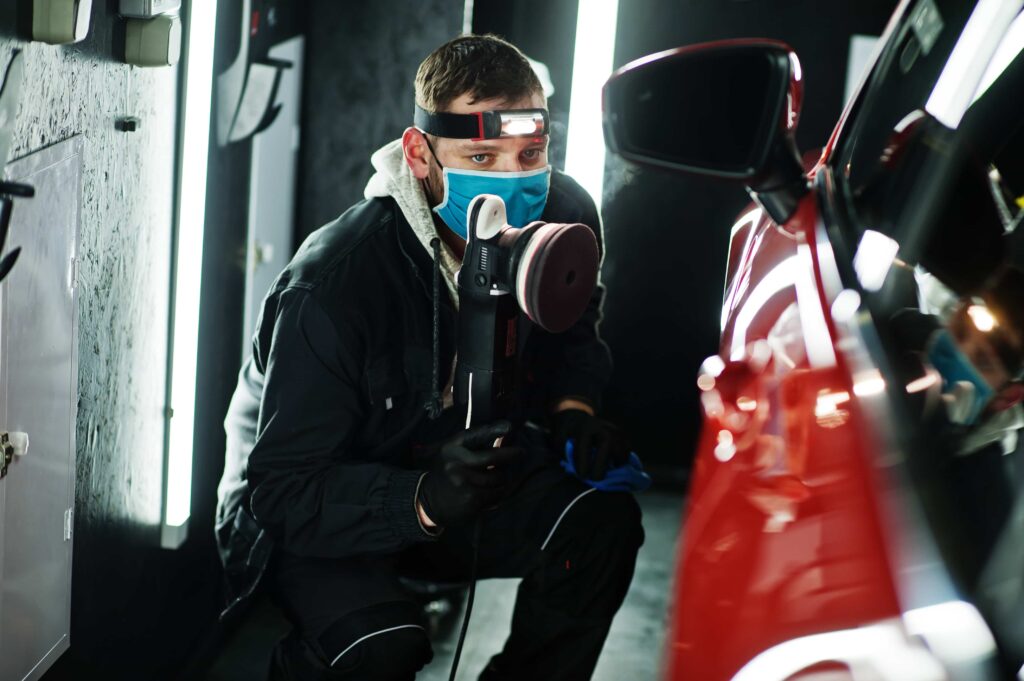
For many owners, the practical answer isn’t choosing one over the other — it’s combining PPF for physical protection with a ceramic or graphene topcoat for the hydrophobic, easy-clean benefit, giving genuinely comprehensive protection through the season.
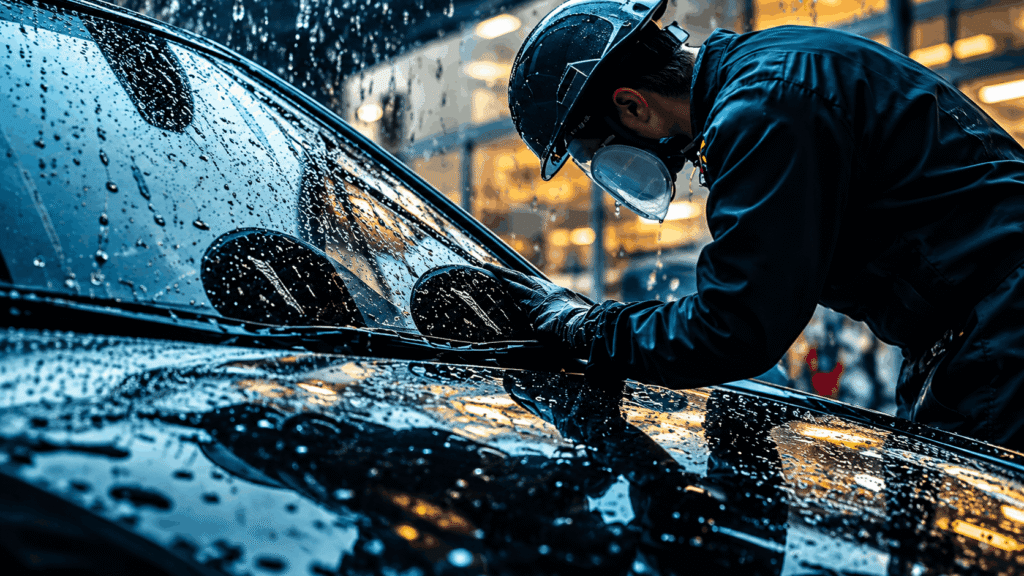
Don't Forget the Films: Sun Control and Wraps Need Monsoon Attention Too
Paint isn’t the only surface that takes a hit during monsoon — window films and vehicle wraps have their own specific vulnerabilities that are easy to overlook.
Sun control film can be affected by prolonged moisture exposure if installation quality is poor, sometimes leading to bubbling or edge lifting over time. A properly installed sun control film should hold up through monsoon without issue, but it’s worth having film edges inspected before the season starts if it’s been a few years since installation — moisture finding its way under a compromised edge is a slow, easy-to-miss problem that gets worse the longer it’s left unaddressed.
Car wraps face a similar risk profile — the adhesive and edge-sealing quality matter enormously for how well a wrap holds up through a wet season. A well-installed car wrap shouldn’t need special monsoon precautions beyond regular washing, but wraps installed by less experienced applicators are considerably more prone to moisture-related lifting and discoloration over a rainy season.
Interior Protection: The Part Most Owners Underestimate
Exterior protection gets most of the attention, but monsoon damage to a car’s interior is often more expensive to reverse than paint damage. A few specific, practical steps:
- Use dedicated all-weather floor mats rather than standard carpet mats, since they don’t absorb and hold moisture the way fabric does.
- Run the AC periodically, even on short trips, since it helps control cabin humidity and reduces the musty smell that builds up over a damp season.
- Address any water leaks immediately. A small leak around a door seal or sunroof, left unaddressed through monsoon, can lead to genuinely serious upholstery and electrical issues by the time the season ends.
- Get upholstery professionally cleaned at least once mid-season if the car sees regular daily use, since surface cleaning alone often isn’t enough to fully remove monsoon-accumulated moisture and odor from deeper layers of fabric or foam.
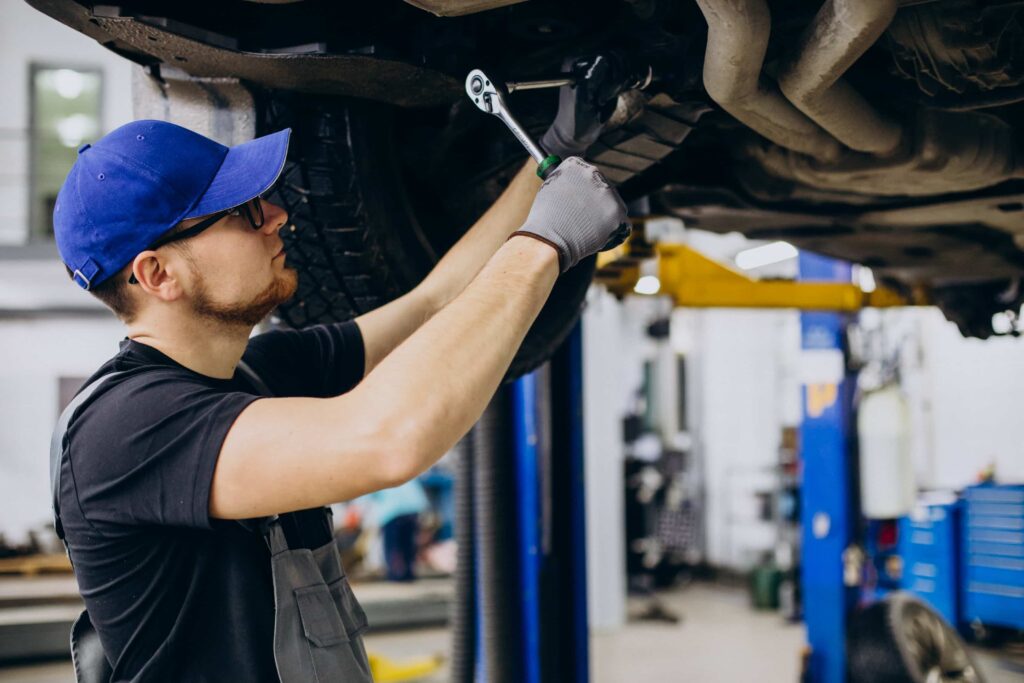
How to Choose a Car Protection Service Provider in Bangalore
Given how much variation exists in installation quality — particularly for PPF, coatings, and films — a few things are worth verifying before committing to any provider:
- Ask about the specific product brand and warranty, not just the service category. “Ceramic coating” and “PPF” both span a wide range of product quality, and warranty terms are one of the clearest signals of a provider’s confidence in their own work.
- Check installation experience with your specific vehicle type, since panel complexity varies significantly between hatchbacks, sedans, and SUVs.
- Ask directly how the product performs specifically through monsoon conditions, not just in general use — a provider who can speak to this confidently likely has real, season-tested experience rather than a generic sales pitch.
- Request to see actual completed work, ideally on a vehicle that’s been through at least one full monsoon season with the treatment applied.
Final Thoughts
Bangalore’s monsoon is long, humid, and quietly damaging in ways that aren’t always obvious until the season ends and the cumulative wear becomes visible. The good news is that most of this damage is genuinely preventable with the right combination of habits — frequent washing, prompt attention to interior moisture — and the right protective products applied before the rains set in.
If you’d like a clearer sense of what combination of PPF, ceramic or graphene coating, and film protection makes sense for your specific vehicle and driving pattern, Fortify’s team can walk you through the options directly and help you get ahead of this season’s monsoon before the first serious downpour hits.
FAQs
Q: What is the best car protection during rainy season in Bangalore? A: A combination of PPF for physical impact and scratch protection, paired with a ceramic or graphene coating for hydrophobic, easy-clean benefits, offers the most comprehensive protection through Bangalore’s extended monsoon season.
Q: Should I use a car cover during monsoon? A: Generally, no — a wet car cover can stick to and damage the paint’s clear coat when removed. A properly applied protective coating or film is a more reliable, lower-risk approach during active rainy conditions.
Q: How often should I wash my car during Bangalore’s monsoon? A: More frequently than in dry weather — letting rainwater, road grime, and contaminants sit on the paint for extended periods causes more damage than the rain exposure itself, so regular washing genuinely matters more during monsoon, not less.
Q: Does ceramic coating help with monsoon-related paint damage? A: Yes. Ceramic coating creates a hydrophobic surface that causes water to bead and roll off rather than sit and dry on the paint, significantly reducing water spotting and making contaminant removal considerably easier during frequent monsoon washes.
Q: Can monsoon humidity damage a car’s interior even if it doesn’t leak? A: Yes. High ambient humidity, combined with moisture brought in on shoes, umbrellas, and wet clothing, can lead to mold, mildew, and persistent odor buildup in upholstery and carpeting, even without any direct water leak into the cabin.