What is Borophene coating for cars? If you’ve been researching paint protection options recently, you’ve likely seen this term popping up in detailing forums, Instagram reels, and premium studio menus alongside more familiar names like ceramic and graphene coating. It’s being marketed as the next evolution in surface protection technology — and the claims around it are bold. Before you add it to your shortlist, it’s worth understanding exactly what borophene is, what’s genuinely known about it, and what’s still marketing enthusiasm ahead of the science.
This guide from Fortify Car Care, the expert PPF Coating service provider in bangalore breaks down borophene coating honestly: what it claims to offer, how it compares to graphene and ceramic, what it costs in Bangalore, and whether it’s actually worth considering for your car right now.
What Is Borophene Coating for Cars?
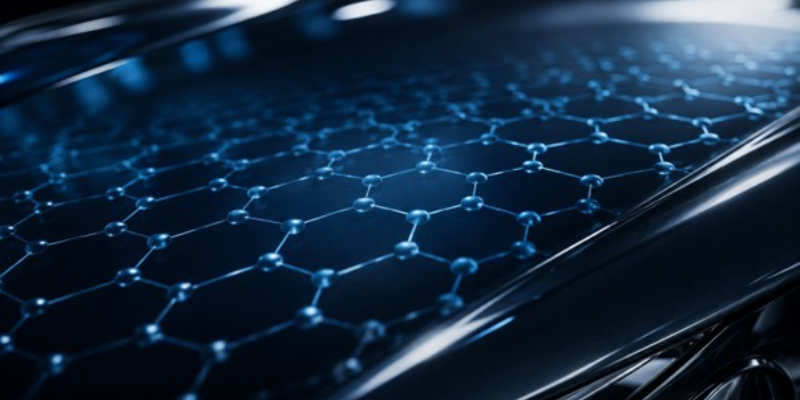
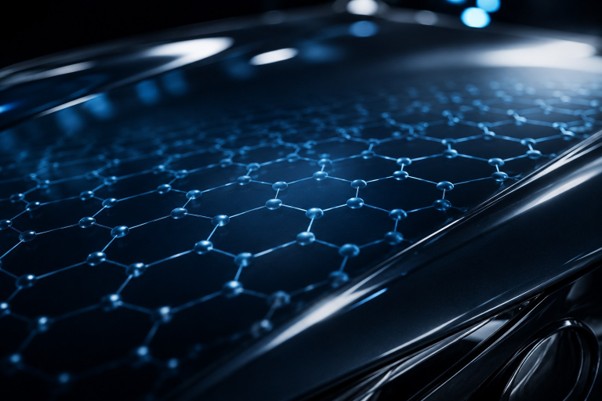
Borophene is a real material in materials science, a single-atom-thick sheet of boron atoms, conceptually similar to how graphene is a single layer of carbon atoms. Researchers first synthesized it in laboratory settings roughly a decade ago, and it has generated genuine excitement in fields like electronics, energy storage, and advanced materials research because of properties like high strength-to-weight ratio and strong thermal conductivity.
The version being marketed for car care as “Borophene coating” is a formulated product that detailing brands that incorporate boron-based compounds into a ceramic-style coating matrix, aiming to combine boron’s material properties with the protective structure of a standard SiO2 (silica-based) ceramic coating. It’s typically applied the same way as a premium ceramic coating layered onto the paint surface, cured, and left to bond over a period of days.
It’s important to be upfront here: true, laboratory-grade borophene is notoriously difficult to produce, extremely reactive in open air, and not something currently manufactured at the scale or stability needed for consumer automotive products. What’s being sold in the detailing market as “borophene coating” is best understood as a next-generation marketing category boron-infused or boron-inspired formulations built on established ceramic coating chemistry, rather than confirmed pure borophene applied directly to a car’s clear coat. That distinction matters if you’re deciding whether to pay a premium for the claim itself.
Is Borophene Coating Better Than Graphene?
This is the comparison most car owners actually want answered, and the honest response is: it depends on which claims you’re evaluating, and how much weight you put on marketing language versus independently verified testing.
What Boron-Based Coatings Claim Over Graphene
Detailing brands marketing borophene-style coatings typically claim several advantages over graphene:
- Higher thermal conductivity, meaning better heat dissipation from the car’s surface
- Greater flexibility, allowing tighter bonding on curved panels
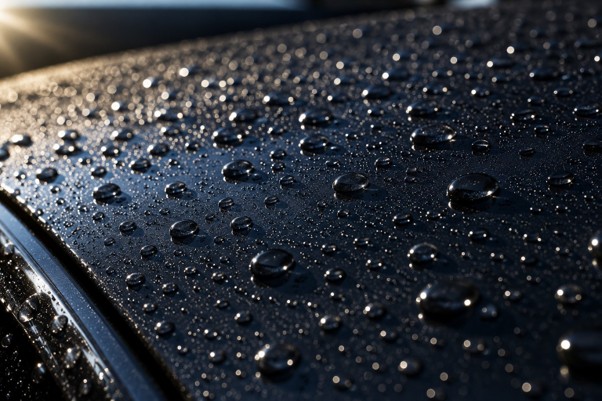
- Stronger hydrophobic performance, with water beading and rolling off more aggressively
- Increased hardness ratings, often marketed at 10H or higher
What’s Actually Verified
Graphene coating has years of real-world application data across the detailing industry, with well-documented performance in hydrophobicity, gloss enhancement, and durability. It’s a proven, widely adopted technology with a strong track record.
Boron-infused coatings, by comparison, are newer to the consumer market, and much of the comparative performance data circulating online comes from brand marketing rather than independent third-party testing. That doesn’t mean the claims are false — but it does mean they haven’t yet been validated the way graphene coating performance has been over its longer market presence.
Practical takeaway: If you want a coating with a well-established performance track record, Graphene Coating remains the more proven premium option today. If you’re specifically drawn to newer material science and are comfortable being an early adopter, boron-based formulations are worth exploring — just go in with realistic expectations about how much of the marketing is proven versus promised.
Borophene vs Ceramic Coating: Which Is Better?
Standard ceramic coatings use silicon dioxide (SiO2) as their core bonding compound, creating a hard, glossy, semi-permanent layer over the car’s paint. This technology has been refined over more than a decade and remains the industry standard for a reason — it’s reliable, well-understood, and delivers consistent results.
Boron-infused coatings are positioned as an enhancement to this base ceramic chemistry, claiming added hardness, flexibility, and thermal performance. In principle, if the boron compound genuinely bonds well with the ceramic resin, it could offer incremental improvements over standard ceramic formulations.
In practice, for most car owners in Bangalore, a well-applied Ceramic Coating already delivers excellent protection against UV damage, water spots, minor chemical staining, and everyday grime — the core concerns most daily drivers actually face. The question isn’t whether boron-based coatings could theoretically outperform standard ceramic; it’s whether that marginal improvement, if it exists, justifies the price premium being charged for it today.
How Much Does Borophene Coating Cost in Bangalore?
Boron-infused or “borophene” coating services are generally priced at a premium above standard ceramic coating and often above graphene coating too, positioned as the top tier in a detailing studio’s protection menu. Pricing varies by studio and by how many layers or coating grades are offered, but expect it to sit meaningfully higher than a comparable graphene coating package for the same vehicle size.
This pricing reflects the “next-generation” positioning more than an independently established performance gap. Before paying a significant premium, it’s worth asking your installer specifically what’s different about the formulation, how it’s tested, and what real-world data (not just marketing copy) supports the claims — the same due diligence you’d apply to any premium product claim.
Is Borophene Coating Worth It for Cars Right Now?
Here’s an honest, non-hyped answer: for most car owners today, a well-applied graphene or ceramic coating remains the smarter, better-validated investment. These technologies have years of real-world performance data, established application standards, and a track record that boron-based coatings simply haven’t built yet in the consumer automotive space.
That said, “worth it” depends on what you’re optimizing for:
- If you want maximum, proven protection at a reasonable price: Graphene Coating or a high-quality Ceramic Coating remains the more sensible choice, backed by a longer performance history.
- If you’re an early adopter who enjoys newer technology and understands the premium partly reflects novelty: Trying a boron-infused coating from a reputable installer is a reasonable experiment, provided expectations are set accurately.
- If your car sees heavy daily wear and you want maximum physical protection first: A Paint Protection Film installation, potentially topped with a coating, addresses physical damage (stone chips, scratches) in a way no coating — ceramic, graphene, or boron-based — can, since coatings protect against chemical and environmental damage rather than physical impact.
The most practical approach for most Bangalore car owners is layering proven technologies: PPF for physical protection on high-impact panels, combined with a ceramic or graphene topcoat for gloss, hydrophobicity, and easier maintenance. This combination has years of demonstrated results behind it.
A Balanced View on Emerging Coating Technology
It’s worth acknowledging that today’s “next big thing” is often tomorrow’s industry standard — ceramic coating itself was once the newer, less-trusted alternative to traditional wax, and graphene coating faced similar early skepticism before its performance became well-documented. Boron-based coatings could follow a similar trajectory as more independent testing and real-world application data accumulate over the coming years.
For now, the responsible approach is treating borophene-style coatings as an interesting development to watch rather than a proven upgrade to rush into. If a detailing studio recommends it, ask direct questions: What’s the actual formulation? What independent testing supports the durability and hardness claims? How does the warranty compare to their standard graphene or ceramic offerings?
Building a Complete Protection Plan for Bangalore Conditions
Regardless of which coating technology you choose, a well-rounded protection strategy for Bangalore’s climate and road conditions typically includes:
- Paint Protection Film on high-impact zones like the bonnet, bumper, and mirrors for physical damage protection
- Ceramic Coating or Graphene Coating for gloss, hydrophobicity, and UV resistance across the rest of the vehicle
- Sun Control Film to manage cabin heat and interior UV exposure during Bangalore’s increasingly hot months
- Car Wrap if you’re considering a color change alongside your protection upgrades
This layered approach, built on well-established technologies, consistently delivers reliable, measurable results — which matters more than chasing the newest marketing term on the market.
Our Perspective at Fortify
As a team that stays closely tuned to developments across Paint Protection Film, Ceramic Coating, and Graphene Coating technology in Bangalore, we believe in giving customers straightforward, honest guidance rather than chasing every new buzzword in the industry. Borophene-style coatings are a genuinely interesting area of materials science to watch, but we’d rather recommend a coating with a proven track record than sell a premium product on the strength of marketing claims alone.
If boron-infused formulations mature with stronger independent validation, we’ll evaluate them the same way we evaluate every product — based on real performance, not hype. Until then, our focus stays on delivering excellent results with technologies that have already proven themselves on Bangalore roads.
FAQs
What is Borophene coating for cars? It’s a marketed car coating category claiming to incorporate boron-based compounds into a ceramic coating formulation. True laboratory-grade borophene is difficult to produce and stabilize, so consumer products are best understood as boron-enhanced ceramic formulations rather than confirmed pure borophene.
Is Borophene coating better than graphene? Brands marketing borophene coatings claim advantages in thermal conductivity, flexibility, and hydrophobicity, but these claims lack the extensive independent, real-world validation that graphene coating has built up over years of mainstream use.
How much does Borophene coating cost in Bangalore? It’s typically priced above standard ceramic and graphene coating packages, reflecting its “next-generation” positioning, though pricing varies by studio and coating grade.
Borophene vs ceramic coating, which is better? Standard ceramic coating is a well-established, thoroughly tested technology. Boron-infused coatings claim incremental improvements but currently lack the same depth of independent performance data.
Is Borophene coating worth it for cars? For most owners, a proven graphene or ceramic coating remains the smarter choice today. Boron-based coatings are worth considering only if you’re comfortable being an early adopter and understand the premium partly reflects novelty rather than fully proven performance gains.
Final Thoughts
Borophene coating is a fascinating example of real materials science making its way — cautiously — into the automotive detailing world. But “next-generation” marketing shouldn’t outpace genuine, independently verified performance. For now, technologies like graphene coating and paint protection film offer Bangalore car owners proven, well-documented protection that’s easier to evaluate honestly.
If you want a straightforward conversation about which protection technology actually makes sense for your car — without the hype — reach out to the Fortify team. We’ll walk you through real options based on your car, your budget, and how you actually drive.