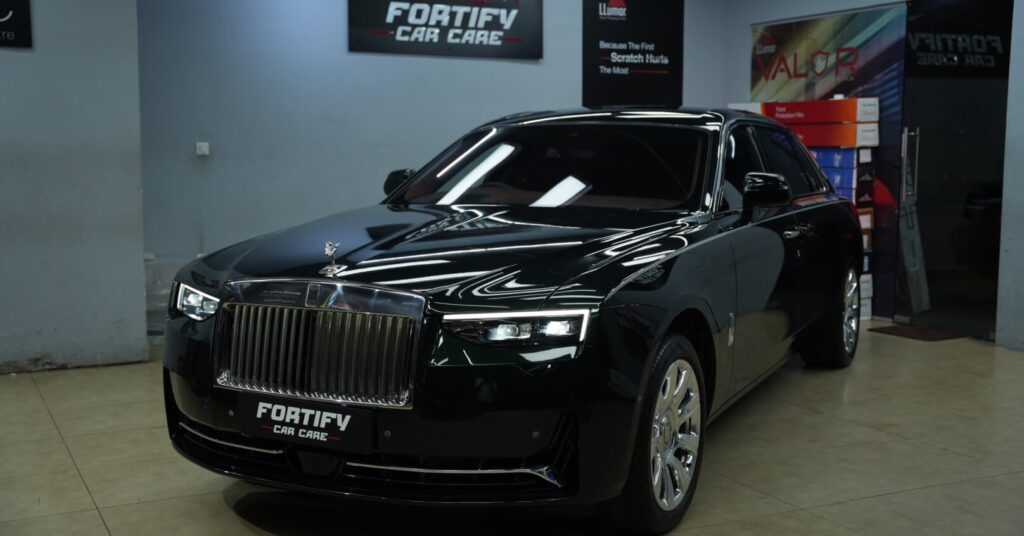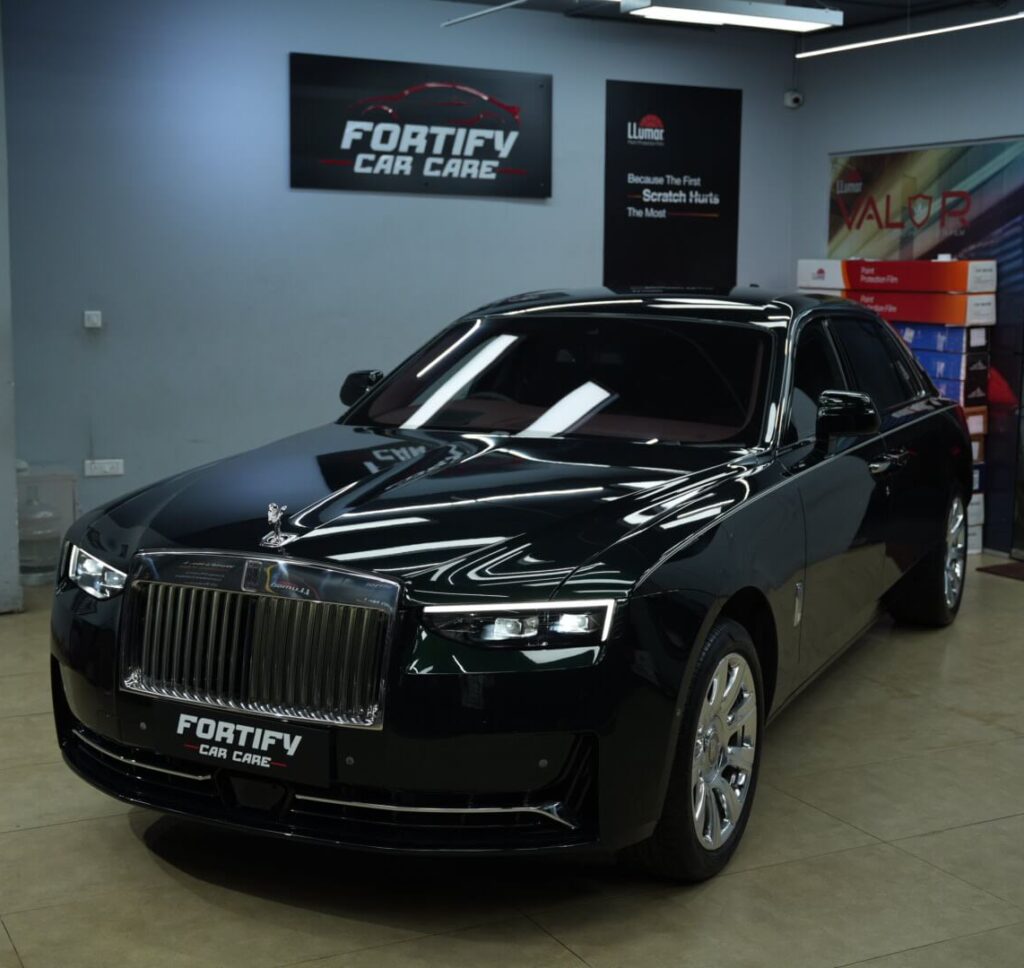
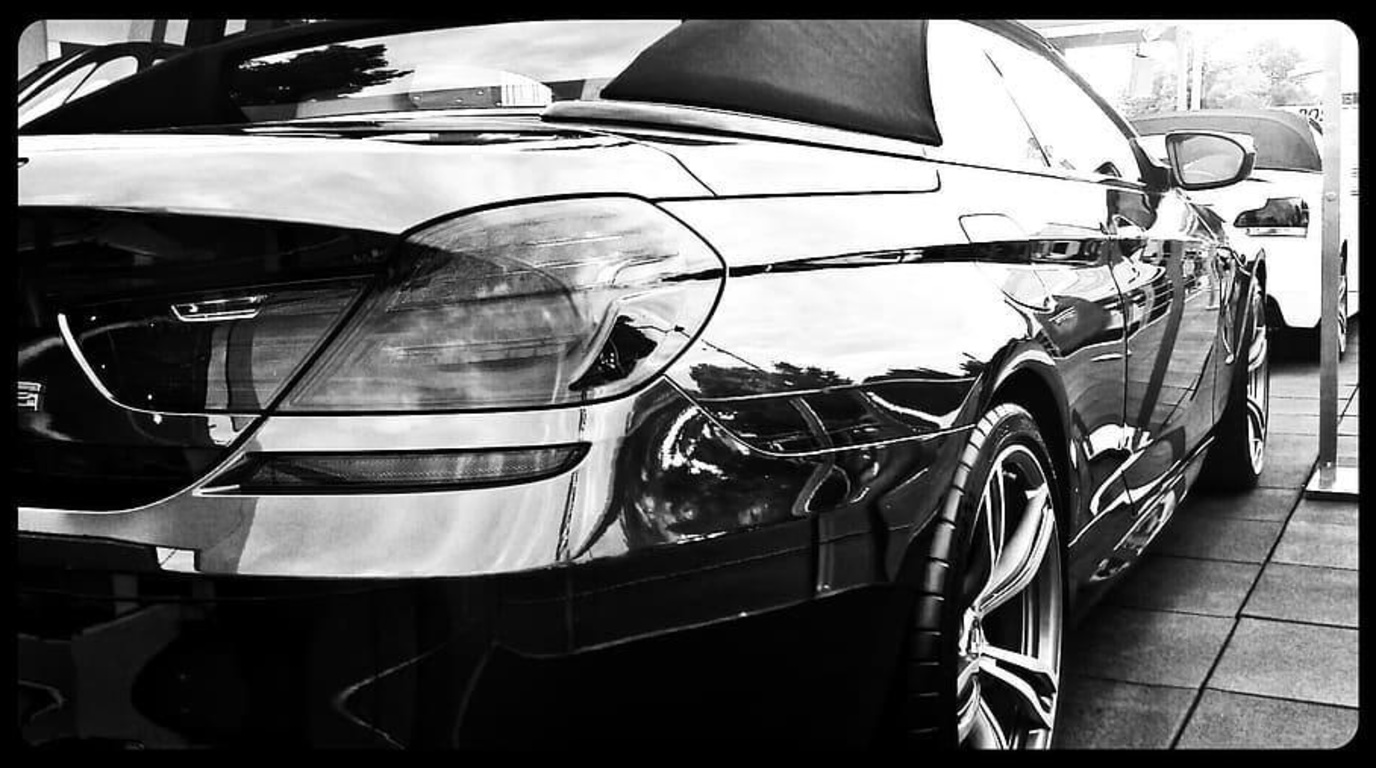
Walk through any parking lot in Bangalore and you’ll spot the difference. Some cars look like they just rolled out of the showroom with deep gloss, no watermarks, or paint that still looks alive after two monsoons. Others are dull, spotted with hard-water stains, showing paint fade from months of sitting under the sun on Outer Ring Road.
The difference isn’t luck. Most of the time it’s ceramic coating.
If you’ve been wondering if ceramic coating is good for cars? Is it actually worth it or just another detailing upsell? This article gives you the honest answer. What it does, what it doesn’t do, why it matters specifically for Bangalore driving conditions, and what to look for when choosing where to get it done.
Ceramic coating doesn’t make your car indestructible. What it does is give your paint a fighting chance against everything Bangalore throws at it every single day.
What Ceramic Coating Actually Is
Ceramic coating is a liquid nano-polymer, primarily formulated from Silicon Dioxide (SiO2), that bonds chemically with your car’s clear coat and hardens into a semi-permanent protective layer. It’s not a film you peel off or a wax that washes away in the rain. Once cured, it becomes part of the surface itself.
The chemistry matters here. SiO2 is the same compound that makes glass hard and resistant to chemical attack. When it cures on your paint, it creates a surface that repels water, resists UV breakdown, and doesn’t react to most acidic contaminants. Bird droppings, tree sap, hard water mineral deposits, substances that etch into unprotected clear coats slide off or are significantly slowed in their damage.
What it is not: a scratch-proof armour. Ceramic coating will reduce the appearance of swirl marks from improper washing and give your paint a harder outer surface. But a keyed car, a stone chip at highway speed, a parking lot scrape these go through ceramic coating the same as they go through unprotected paint. Anyone selling you scratch-proof ceramic coating is selling you something that doesn’t exist.
Is Ceramic Coating Good for Cars? The Honest Answer
Yes, with one important condition. The coating is only as good as the prep work done before it goes on.
Ceramic coating seals in whatever is already on the paint surface. Any swirl marks, light scratches, water spots, or oxidation that exist before application get locked under the coating. They don’t disappear. A proper ceramic coating job always starts with a thorough decontamination and paint correction machine polishing to remove surface defects before a single drop of coating is applied. If a studio skips this step, you’re paying a significant amount to preserve your car’s existing flaws in glass.
Done correctly, the benefits are real and durable. Here’s what you actually get.
UV Protection
Bangalore sits at 921 metres above sea level, which means the UV index here is consistently higher than coastal cities. Paint oxidation the chalky, faded look on older cars is largely a UV problem. Ceramic coating’s SiO2 layer blocks UV radiation from reaching the clear coat, significantly slowing oxidation. Cars with ceramic coating maintain colour depth and gloss for years longer than unprotected paint under the same conditions.
Hydrophobic Effect
Water doesn’t sit on a ceramic-coated surface. It beads up and rolls off, taking dust and light contaminants with it. This is particularly useful in Bangalore’s hard-water environment. The Cauvery water that reaches most parts of the city is high in dissolved minerals. Every time it sits on your paint and evaporates, it leaves those minerals behind as white water spots. A properly coated surface minimises this significantly the water doesn’t stay long enough to leave deposits.
Chemical Resistance
Bird droppings contain uric acid. Tree sap is adhesive and chemically active. Both can etch into unprotected clear coat within hours if left in direct sun. Ceramic coating creates a chemically resistant barrier that gives you more time to clean these off before they cause permanent damage. It doesn’t make the surface immune leave bird droppings on a ceramic-coated car for three days in direct sun and you’ll still see damage. But the window before damage occurs is much wider.
Easier Maintenance
This is one of the most underrated benefits, especially for daily drivers in Bangalore. Traffic, construction dust, exhaust particulates a normal day here leaves a visible layer of grime on the car. On unprotected paint, that grime bonds to the surface and requires significant effort to remove safely. On a ceramic-coated surface, most of it comes off with a simple rinse. Wash frequency drops, and each wash takes less time and effort.
Gloss and Depth
Ceramic coating enhances the reflective quality of the paint underneath. A well-applied ceramic coating on a freshly corrected surface gives the car a wet-look depth that wax can’t match in longevity. Wax produces a similar effect immediately after application but degrades within weeks. Ceramic coating holds that finish for years.
Ceramic Coating vs Wax vs PPF: What Each Actually Does
These three options often get compared or conflated. They’re different products solving different problems. Here’s a clear breakdown before we go into which makes sense for your situation:
| Factor | Ceramic Coating | Wax / Sealant | PPF |
|---|---|---|---|
| Protection Layer | Nano-ceramic SiO2 bond | Wax/polymer film | Thermoplastic urethane film |
| Duration | 3 to 7 years | 1 to 3 months | 5 to 10 years |
| UV Protection | Yes strong | Partial | Yes strong |
| Hydrophobic Effect | Yes high-grade | Light | Minimal |
| Scratch Resistance | Moderate (swirl marks) | Very low | High (self-healing grades) |
| Stone Chip Protection | No | No | Yes |
| Gloss Enhancement | High | Medium | Transparent retains OEM |
| Bangalore Suitability | Excellent | Needs frequent reapply | Excellent |
| Typical Cost (Sedan) | Rs. 14,000 to 25,000 | Rs. 1,500 to 4,000 | Rs. 35,000 to 75,000 |
The takeaway: ceramic coating sits in the middle better durability and protection than wax, better gloss enhancement than PPF, but less physical impact protection than PPF. For most car owners in Bangalore who want a balance of appearance, protection, and value, ceramic coating is the right call. For owners of high-end vehicles where stone chip protection is a priority, PPF on high-impact zones combined with ceramic coating over the rest is the more complete solution.
Why Bangalore Specifically Makes Ceramic Coating Worth It
The Dust Problem
Construction is everywhere in Bangalore the metro expansion, flyovers, road widening projects across the city. Fine construction dust is abrasive. Repeated contact with abrasive particles is how swirl marks accumulate on paint. A ceramic-coated surface is harder and more resistant to this. It doesn’t eliminate swirl marks entirely, but it reduces how quickly they build up.
Monsoon Hard Water
The monsoon brings water and Bangalore’s water is notoriously hard. Parking outdoors during rain or washing with municipal water and letting it air-dry is a reliable way to accumulate water spots on unprotected paint. The hydrophobic surface of a ceramic coating sheds water fast enough to significantly reduce mineral deposit accumulation.
UV and Altitude
As noted earlier, Bangalore’s altitude means stronger UV than most people account for. Paint fading is a slow process you don’t notice it month to month. You notice it three years later when you park next to a newer car of the same colour. Ceramic coating is the most practical long-term defence against this.
Traffic Conditions
Stop-and-go traffic means more time exposed to exhaust particulates, more opportunities for cars to nudge each other in tight parking, and more heat cycles on the paint. The chemical resistance and hardness of a ceramic coating handles this environment better than wax or an unprotected surface.
In a city that’s always under construction, always congested, and always sunny, ceramic coating isn’t a luxury add-on. It’s the baseline for keeping a car looking like it was bought this year, not three years ago.
What the Application Process Looks Like and Why It Matters
A ceramic coating is only as good as what happens before the bottle is opened. The process matters as much as the product.
Step 1: Decontamination Wash
A thorough wash to remove surface dirt, followed by a clay bar or chemical decontamination to pull bonded contaminants, iron deposits, tar, and industrial fallout from the paint. These particles aren’t removed by regular washing and would be locked under the coating if not addressed.
Step 2: Paint Correction
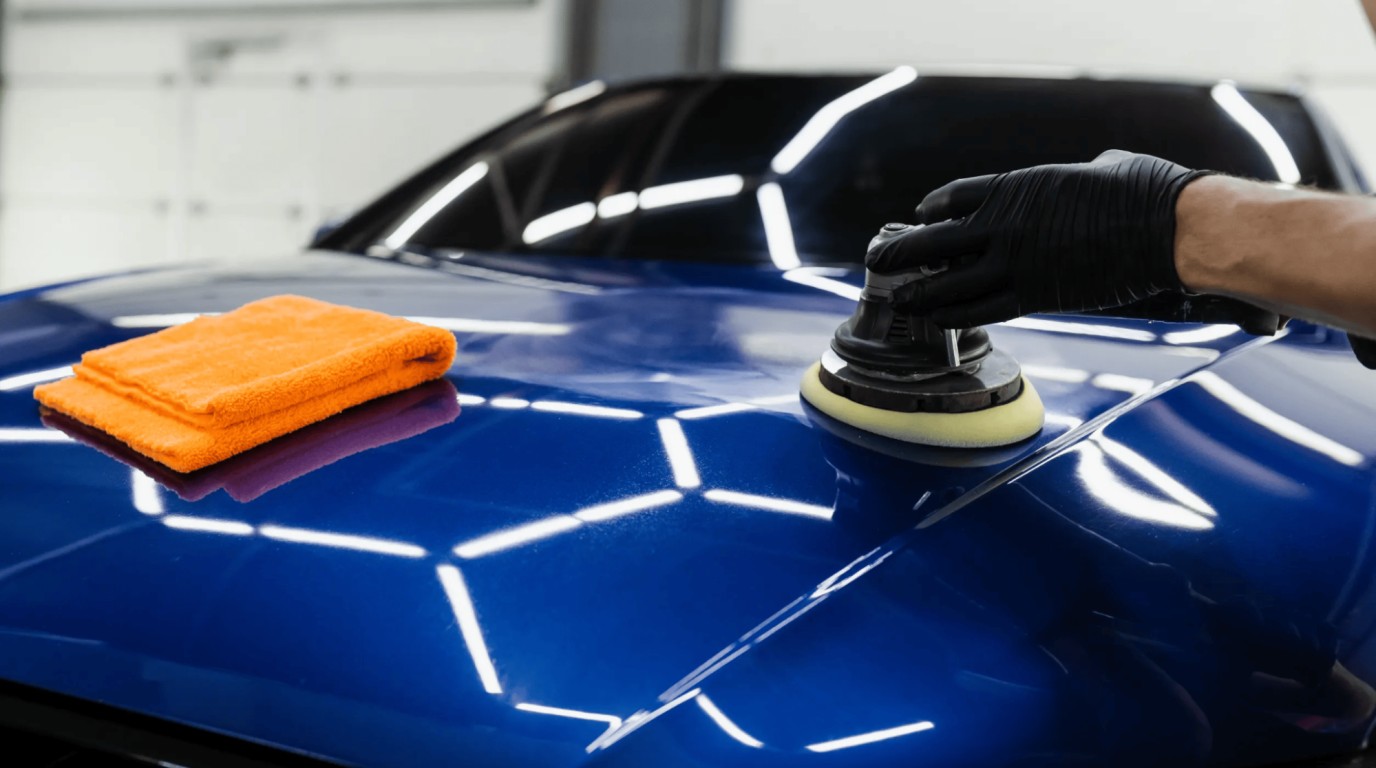
Machine polishing to remove swirl marks, fine scratches, and oxidation. This is the most time-intensive part of the process and the step most often skipped by studios cutting corners. Skipping it means sealing existing defects permanently under the coating. At Fortify Car Care, every ceramic coating job starts with a surface inspection paint correction is done to the level the paint condition requires, not skipped to save time.
Step 3: Application
The coating is applied panel by panel in a controlled, indoor environment. Temperature and humidity affect how the coating bonds, applying it in an open garage with dust in the air and sunlight heating the panels is how you get uneven curing and high spots. Fortify’s studio in Banaswadi provides the controlled conditions this step requires, making them capable of doing Best Ceramic Coating in Bangalore.
Step 4: Curing
The coating needs time to cure before the car can be exposed to rain, dust, or washing. Depending on the product and ambient conditions, this can be 24 to 48 hours. Some professional-grade coatings use infrared lamps to accelerate and ensure thorough curing.
Step 5: Final Inspection
A proper inspection under good lighting ideally a detailed light or direct bright light to check for high spots, uneven coverage, or streaking. This step exists because problems found before the coating fully cures can be corrected. Problems found a week later cannot.
How Long Does Ceramic Coating Last?
Consumer-grade ceramic coatings, including many DIY products, typically last 1 to 2 years under regular use. Professional-grade coatings applied correctly last 3 to 5 years. Some top-tier multi-layer professional applications can hold for 7 years with proper maintenance.
The variables that affect longevity: the quality of the product used, how thoroughly the surface was prepared, the curing conditions, and how the car is maintained after coating. Washing with harsh detergents, using automatic car washes with abrasive brushes, and never doing a maintenance wash all shorten the life of any ceramic coating.
The maintenance requirement is simple: wash the car regularly with a pH-neutral shampoo, avoid automated brush washes, and bring the car in for a maintenance inspection every 12 to 18 months. A professional studio can assess the coating’s condition and apply a top-up coating or maintenance spray if needed.
What Ceramic Coating Doesn’t Do Being Honest About the Limits
Some of this has been mentioned, but it’s worth stating clearly because a lot of the marketing around ceramic coating overpromises.
It is not scratch-proof. It improves scratch resistance for very fine swirl marks and light surface contact, but it won’t stop keying, car park scrapes, or stone chips. For genuine scratch protection, PPF is the product you need.
It is not permanent. Nothing applied to a car’s exterior is permanent. Ceramic coatings degrade over time from UV exposure, environmental contaminants, and washing. They last significantly longer than wax but they do eventually need to be reapplied.
It does not eliminate washing. The hydrophobic effect makes cleaning faster and easier, but the car still gets dirty and still needs regular washing. Less frequent, quicker yes. Never no.
It does not fix existing paint damage. Ceramic coating applied over a stone chip, a deep scratch, or oxidised paint will seal those problems in. The coating doesn’t repair it. This is why paint correction before application isn’t optional; it’s the whole point of the prep phase.
Ceramic Coating vs Graphene Coating: Worth Knowing the Difference
Graphene coating is the next generation of ceramic-type coatings, using graphene oxide in addition to or instead of SiO2. The practical improvements are in heat dissipation graphene conducts heat away from the paint surface more effectively than SiO2 alone and in some formulations, improved water beading and anti-static properties that reduce dust adherence.
For Bangalore’s conditions specifically, graphene’s heat dissipation is a relevant advantage. Cars parked in direct sun in Bangalore can get surface temperatures that put real stress on any protective coating. A graphene coating handles this thermal cycling better than a standard SiO2 ceramic.
Fortify Car Care offers graphene coating as a step up from standard ceramic coating for owners who want the most current protection technology available. Whether it’s the right choice depends on the car’s use, storage conditions, and budget the team at Fortify can walk you through the comparison based on your specific situation.
Best Ceramic Coating in Bangalore: Why Fortify Car Care
For car owners in Bangalore looking for ceramic coating that’s done correctly, proper prep, professional-grade products, controlled application environment Fortify Car Care in Banaswadi is a trusted option for best car detailing in Bangalore.
Fortify uses only industry-approved ceramic coating systems with verified SiO2 concentration and hardness ratings. The studio follows a multi-step process of decontamination, paint correction to the level the paint requires, application in a controlled indoor environment, and final inspection under proper lighting. No steps skipped, no corners cut.
The full service range at Fortify includes ceramic coating, graphene coating, LLumar PPF, Saint Gobain PPF, Garware PPF, Matte PPF, MAXDECAL PPF, car wraps, and sun control films. For owners who want comprehensive protection PPF on high-impact areas combined with ceramic coating over the full car Fortify handles the full combination in-house.
Fortify Car Care is located at Ward No 88/27, #4DC-544, 6th A Main Rd, 4D Cross, HRBR Layout 2nd Block, Banaswadi, Bengaluru, Karnataka 560043. Contact them at +91 9945562288 or +91 9445189042, or write to info@fortifycarcare.in.
Frequently Asked Questions
Is ceramic coating good for cars in India?
Yes, particularly in cities like Bangalore where UV exposure, hard water, and construction dust create constant challenges for car paint. Ceramic coating provides UV protection, hydrophobic properties, and chemical resistance that standard wax or sealants can’t match in durability.
How long does ceramic coating last in Bangalore?
A professionally applied ceramic coating typically lasts 3 to 5 years in Bangalore conditions. Top-tier multi-layer applications can hold for up to 7 years. Consumer-grade or DIY coatings generally last 1 to 2 years. Longevity depends heavily on the quality of preparation and the product used.
What is the ceramic coating cost for cars in Bangalore?
Costs vary by car size and coating grade. A 9H ceramic coating on a hatchback typically runs Rs. 13,000 to 20,000. Sedans range from Rs. 14,000 to 25,000. For SUVs and luxury vehicles, professional-grade coatings can go up to Rs. 40,000 and above. The price difference between studios often reflects the quality of prep work done before the coating is applied, not just the product itself.
Does ceramic coating prevent scratches?
It improves resistance to very fine swirl marks and light surface abrasion. It does not prevent deep scratches, stone chips, or impact damage. For physical scratch and chip protection, Paint Protection Film (PPF) is the right product. Many owners use both PPF on high-impact zones and ceramic coating over the rest.
Can I wash my car normally after ceramic coating?
Yes, but with some guidelines. Use a pH-neutral car shampoo, avoid automatic car washes with abrasive brushes, and use clean microfibre towels when drying. Washing with harsh detergents or leaving the car to air-dry after washing with hard water will shorten the coating’s life.
Is graphene coating better than ceramic coating?
Graphene coating offers improvements over standard ceramic in heat dissipation and, in some formulations, better anti-static properties. For Bangalore’s climate where surface temperatures in direct sun are high, graphene’s thermal management is a practical advantage. Whether it justifies the additional cost depends on your car’s use and storage. It’s worth discussing with the studio based on your specific situation.
How do I know if my car needs paint correction before ceramic coating?
Almost every car benefits from some level of paint correction before coating. Even new cars have swirl marks from transportation and dealer preparation. A professional inspection under a detailed light before the coating process begins will show what’s present. Any credible studio will do this assessment before quoting or starting the job.
Where can I get the best ceramic coating in Bangalore?
Look for a studio that offers a pre-inspection, performs paint correction before application, works in a controlled indoor environment, and uses professional-grade products with verifiable SiO2 ratings. Fortify Car Care in Banaswadi covers all of these; reach them at +91 9945562288 or at info@fortifycarcare.in to discuss your car’s specific requirements.